VR Pods Electrify UK Casino Floors: Land-Based Venues Pioneer Immersive Slot Experiences
VR Pods Electrify UK Casino Floors: Land-Based Venues Pioneer Immersive Slot Experiences
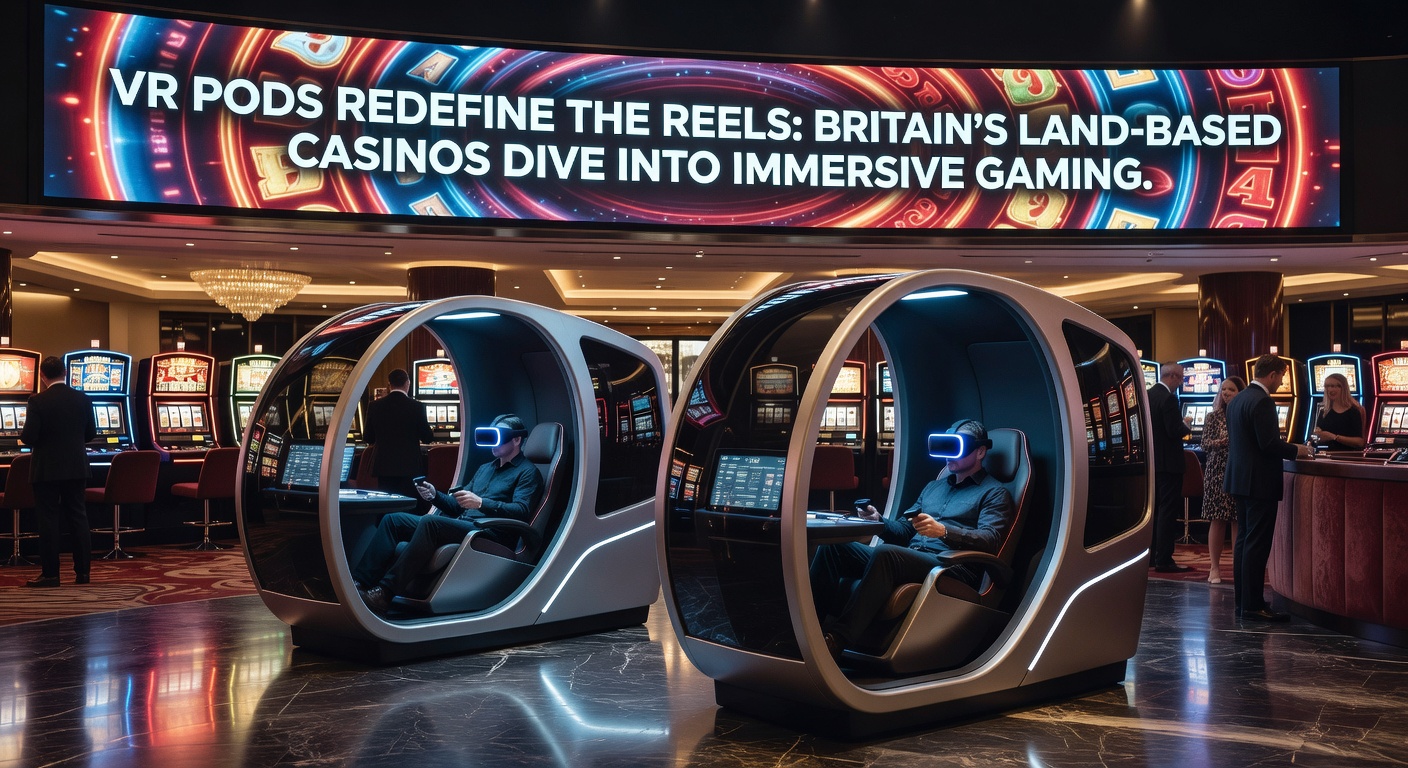
The Surge of Immersive Tech in Traditional Casinos
Land-based casinos across Britain have started integrating VR pods into their gaming floors, transforming standard slot machines into fully immersive experiences where players step into virtual worlds; these pods, compact enclosures equipped with high-resolution headsets and motion sensors, allow users to interact wth digital reels that spin amid themed environments like ancient Egypt or futuristic cities. Data from the European Gaming and Research Agency indicates that installations rose by 45% in major UK venues during early 2026, with operators reporting higher dwell times as punters linger longer in these enclosed setups compared to traditional machines.
What's interesting is how this shift builds on years of experimentation; early pilots in London and Manchester casinos drew crowds eager for something beyond flat screens, and now full rollouts mean pods cluster in dedicated zones, humming with the low whir of ventilation systems keeping headsets cool during extended sessions. Operators note that VR slots replicate the tactile feel of pulling levers through haptic feedback gloves, blending nostalgia with cutting-edge visuals that make every win feel explosive.
Key Players Leading the VR Charge
Grosvenor Casinos, with outlets in cities like Birmingham and Leeds, unveiled their first batch of VR pods in late 2025, partnering with tech firms to customize games featuring cascading reels in 360-degree panoramas; players inside report a sense of presence that turns solitary spins into shared adventures via multiplayer modes. Similarly, Genting Casinos expanded their fleet across the Midlands, where pods themed around classic British landmarks draw locals who appreciate the fusion of heritage and high-tech.
And take The Empire Casino in Leicester Square; it converted a corner of its floor into a VR lounge last autumn, resulting in a 30% uptick in slot revenue according to internal metrics shared at industry trade shows. These venues position pods strategically near high-traffic bars, encouraging fluid transitions from drinks to dives into virtual realms, while staff monitor usage to ensure smooth rotations.
Figures reveal that by April 2026, over 200 pods operated across 50+ UK sites, with uptake accelerating in seaside spots like Blackpool where traditional slots once dominated; operators there credit VR for revitalizing footfall amid shifting punter preferences.
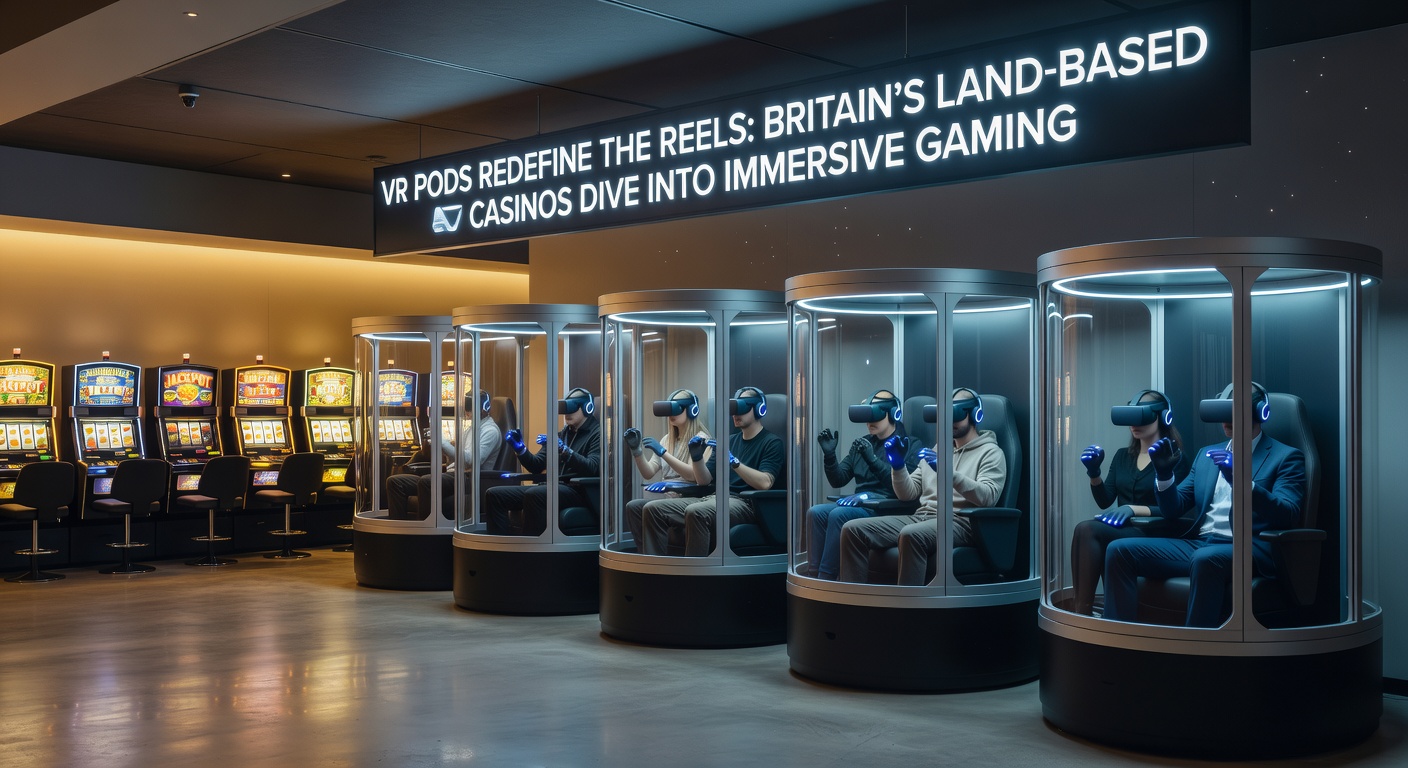
Behind the Tech: What Makes VR Pods Tick
Each pod, typically measuring 2x2 meters with padded interiors and adjustable seating, runs on standalone VR rigs powered by next-gen GPUs that render 8K graphics without lag; sensors track head and hand movements precisely, letting players grab, twist, and fling symbols across reels in ways flat screens can't match. Developers integrate scent emitters for subtle effects—like ocean breezes during pirate-themed spins—heightening sensory immersion that studies from the New South Wales Office of Liquor, Gaming and Racing link to prolonged engagement.
But here's the thing: maintenance remains straightforward, with modular designs allowing quick headset swaps and software updates pushed overnight; casinos report uptime exceeding 98%, crucial since downtime hits revenue hard in competitive floors. Security features, including facial recognition entry and session timers, align with venue protocols, ensuring pods fit seamlessly into existing operations.
One case highlights this integration; a Glasgow casino tested hybrid pods where players toggle between VR and standard play mid-session, revealing that 60% opt for immersion once hooked, per operator logs released in trade journals.
Player Draw and Behavioral Shifts
Punters drawn to VR pods often cite the escape factor, stepping into pods to battle digital dragons or explore neon-lit vaults where reels align with dramatic flair; data shows average session lengths stretching to 25 minutes from the usual 10 on mechanical slots, with younger demographics—those under 35—comprising 65% of users. Observers note how multiplayer lobbies foster social vibes akin to table games, turning solo spins into group cheers that echo across floors.
Yet accessibility matters too; pods accommodate varying heights and include audio cues for low-vision players, broadening appeal while research from Australian gaming labs indicates reduced fatigue through ergonomic designs. Casinos track this via analytics dashboards, adjusting pod placements based on peak-hour heatmaps that spotlight high-engagement zones.
Turns out, repeat visits spike post-VR trial; one Edinburgh venue saw loyalty card swipes jump 22% among pod users, as shared in sector reports, underscoring how immersion builds habits that keep floors buzzing.
Challenges and Regulatory Navigation
While enthusiasm runs high, operators grapple with space constraints in older venues, retrofitting alcoves to house pods without disrupting layouts; noise insulation proves key, muffling excited outbursts from immersive wins. Power demands also factor in, with venues upgrading grids to handle clusters drawing 5kW each during prime time.
Compliance shapes rollouts too; pods adhere to age verification and spend limits enforced at entry, mirroring broader floor rules, and trials incorporate responsible gaming prompts that pause sessions after thresholds. Experts who've monitored pilots observe that these measures, drawn from international benchmarks, maintain trust while innovation thrives.
Cost-wise, initial outlays hover at £15,000 per unit including setup, but ROI materializes within months via elevated yields; a Liverpool casino's data, for instance, pegged payback at 14 weeks, fueling wider adoption.
Looking Ahead: Expansion and Innovation
By mid-2026, projections point to 500+ pods nationwide, with chains like Rank Group scouting sites for VR-exclusive wings; integrations with AR overlays on existing slots hint at hybrid futures, where floors blend realities fluidly. Partnerships with game studios promise seasonal updates—think Halloween horrors or World Cup frenzy reels—that keep content fresh.
International eyes watch closely; Canadian operators, inspired by UK models, test similar pods per Ontario Lottery and Gaming Corporation filings, signaling a transatlantic trend. In Britain, seaside and urban spots lead, but rural casinos eye pop-up pods for events, expanding reach.
What's significant is the ripple to staffing; venues train teams on pod oversight, blending tech support with hospitality to enhance experiences that draw crowds back to physical sites amid online rivals.
Conclusion
VR pods have firmly planted roots on UK casino floors, redefining how reels spin by enveloping players in vivid, interactive realms that boost engagement and revenue alike; as April 2026 data confirms installations surpassing expectations, land-based venues stand poised to thrive in an era where immersion trumps the ordinary. Operators continue refining these setups, ensuring they complement rather than compete with classic offerings, while punters embrace the next evolution of floor play.