Tracing Multi-Tiered Incentive Development Across United States Digital Casino Platforms
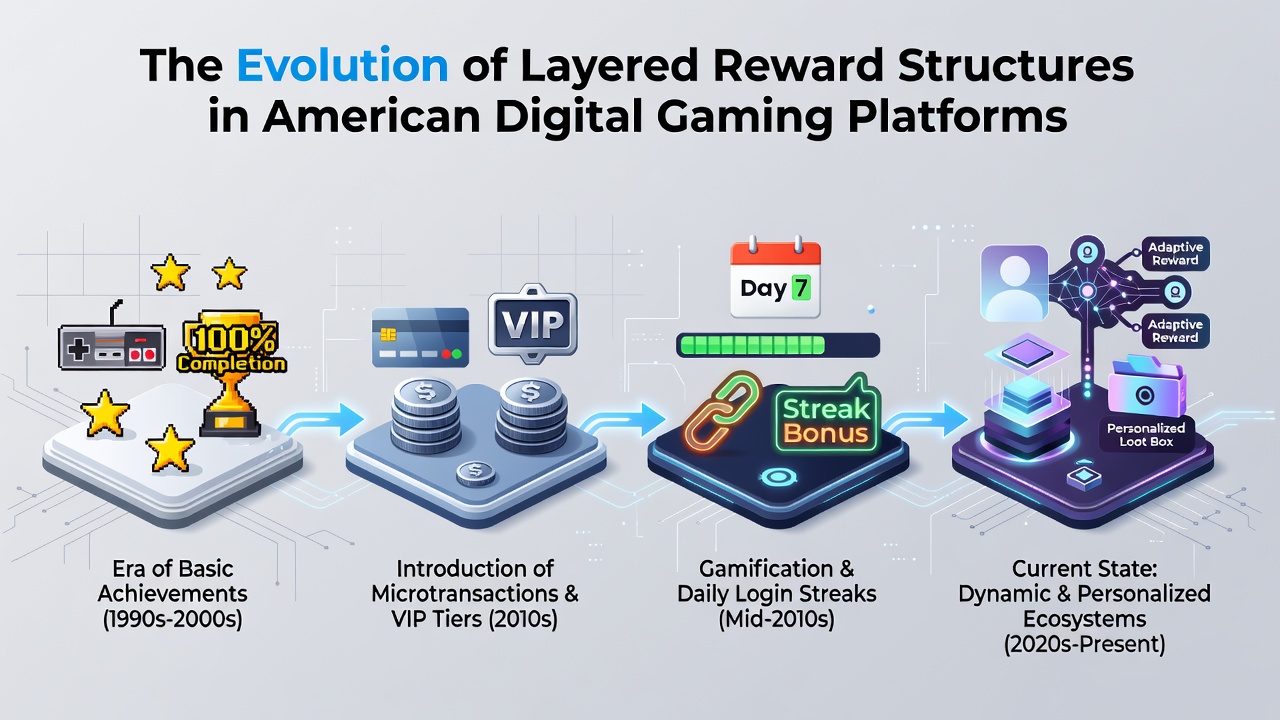
Digital gaming platforms in the United States began with straightforward promotional offers during the late 1990s, when operators introduced initial sign-up incentives to attract players navigating early internet connections; these systems relied on single-layer deposit matches or free credits that activated upon account creation, and data from industry archives shows participation rates climbed steadily as broadband access expanded through the early 2000s.
Operators soon recognized that basic offers failed to sustain engagement over multiple sessions, which prompted the addition of secondary reward layers such as cashback percentages on losses and periodic reload bonuses tied to weekly deposits. Research conducted by university gaming studies programs indicates these adjustments increased average session durations by measurable margins, while state regulatory filings from Nevada and New Jersey documented corresponding rises in reported player activity during that period.
Expansion of Tiered Loyalty Frameworks
By the mid-2000s, platforms incorporated loyalty points that accumulated across gameplay and converted into additional play credits or merchandise, creating a third layer atop deposit and reload mechanics; points systems tracked cumulative activity through centralized databases, and figures from the American Gaming Association reveal accelerated adoption among operators licensed in multiple jurisdictions as competition intensified.
High-volume participants received elevated point multipliers and exclusive event access, which established informal VIP pathways that later formalized into structured tiers with progressive benefits including faster withdrawal processing and personalized account managers. Observers note that these developments aligned with broader shifts toward data-driven personalization, where player behavior metrics guided reward allocation rather than uniform offers distributed to all accounts.
Integration with Mobile Technology and Emerging Payment Methods
Mobile applications introduced further complexity after 2010, because push notifications delivered time-limited layered offers such as free spins combined with deposit matches that expired within hours; platform analytics demonstrated higher redemption rates when multiple reward components activated simultaneously, prompting developers to refine delivery algorithms accordingly. Crypto payment options added another dimension during the 2010s, allowing instant bonus credits denominated in digital currencies that layered atop traditional fiat promotions without requiring separate verification steps.
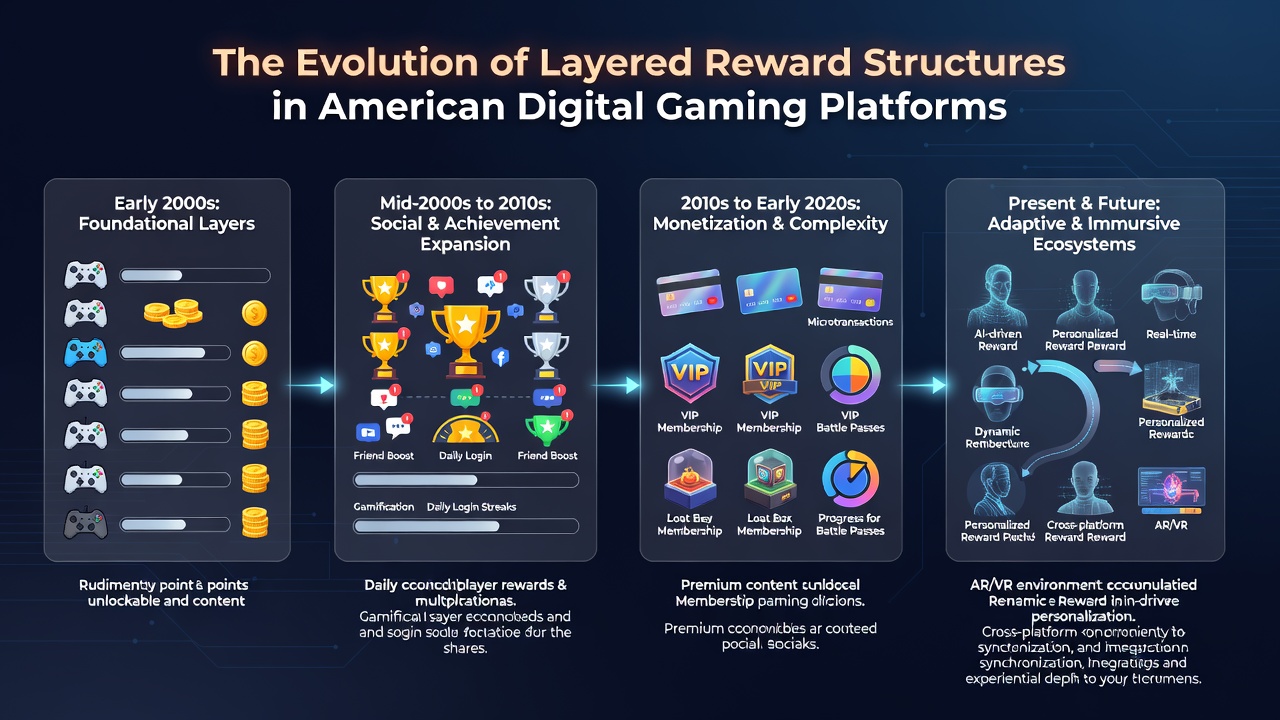
Regulatory changes across states influenced these structures, as new licensing requirements in Pennsylvania and Michigan during the late 2010s mandated clearer disclosure of bonus terms; compliance updates forced operators to simplify language around wagering requirements while preserving multi-component offers that combined play credits, cashback, and loyalty acceleration. Industry reports compiled by research institutions show consistent growth in active accounts following these clarifications, because transparency reduced player hesitation around complex terms.
Current Configurations and Projected Milestones
Contemporary platforms combine five or more reward layers that activate sequentially based on deposit volume, gameplay frequency, and tenure milestones; examples include initial no-deposit credits, followed by percentage-based matches, ongoing cashback schedules, tiered loyalty points, and periodic high-roller invitations that unlock private tables or accelerated payouts. According to licensing data from the New Jersey Division of Gaming Enforcement, such integrated systems correlate with sustained revenue increases across reporting periods, while player retention metrics tracked by operators indicate longer account lifespans when layers interconnect through unified progress trackers.
Industry conferences scheduled for June 2026 are expected to highlight further refinements, including AI-assisted personalization that adjusts layer availability in real time based on individual risk profiles and session patterns; preliminary filings submitted to state regulators suggest operators plan expanded testing of these tools in jurisdictions already permitting online offerings. External comparisons with frameworks in Canada and Australia provide additional context, since those markets adopted similar layered approaches earlier and reported measurable stabilization in player expenditure patterns after implementation.
Conclusion
The progression from single-component incentives to interconnected multi-layer systems reflects ongoing adaptation by American digital gaming operators responding to technological capabilities, regulatory expectations, and player behavior data. State-level oversight continues to shape disclosure standards without prohibiting structural complexity, while emerging tools promise additional customization ahead of the June 2026 discussions. These developments maintain focus on verifiable activity metrics that support both platform sustainability and participant engagement across expanding digital environments.