Tokenized Incentive Models Redefining Premium Player Benefits in US Mobile Game Ecosystems

Virtual asset frameworks have gained traction across American mobile gaming applications as developers incorporate blockchain tokens and digital collectibles into loyalty mechanisms for top-tier participants. These systems allow elite players to accumulate and trade assets that carry real-world value, shifting traditional reward structures away from static points toward dynamic, transferable items.
Integration of Blockchain Tokens in Mobile Platforms
Major developers have rolled out token-based ecosystems in games such as those produced by studios focused on battle royale and simulation titles, where high-volume users convert in-game achievements into cryptocurrencies or non-fungible tokens. Data from industry trackers shows that participation in these programs increased notably between 2023 and 2025, driven by user demand for assets that extend beyond single-app boundaries. Researchers at institutions including the University of California have documented how these tokens function as bridges between virtual economies and external marketplaces, enabling players to exchange rewards for goods or other digital currencies.
App operators often structure elite tiers around staking requirements, where participants lock tokens to access exclusive events or accelerated progression paths. This approach creates layered incentives that reward sustained engagement while introducing market volatility as an inherent element of the reward calculus. Observers note that such mechanics differ from earlier point systems because they tie player status directly to fluctuating asset values tracked on public ledgers.
Impact on High-Value User Retention Strategies
Retention data compiled by analytics firms indicates that mobile titles employing tokenized rewards experience longer session durations among top spenders compared with conventional models. Elite cohorts in these environments receive customized asset drops tied to performance metrics, which can then be leveraged in secondary markets. One documented case involved a simulation game that issued limited-edition tokens during seasonal events, resulting in measurable spikes in cross-platform trading activity reported by blockchain analytics providers.
Regulatory considerations have entered the discussion as federal agencies examine how virtual assets intersect with consumer protection standards. The Federal Trade Commission has issued guidance on disclosure requirements for in-app asset promotions, emphasizing transparency around valuation risks. Meanwhile, studies from Australian research bodies have compared US implementations with those in other jurisdictions, highlighting differences in tax treatment of traded digital rewards.
Market Data and Adoption Patterns
Figures released by trade organizations such as the Entertainment Software Association reveal that mobile gaming revenue in the United States exceeded 50 billion dollars in recent fiscal periods, with a growing share attributed to virtual asset transactions. Elite reward programs now frequently incorporate hybrid structures that blend traditional progression with blockchain verification, allowing players to prove ownership of rare items through immutable records.
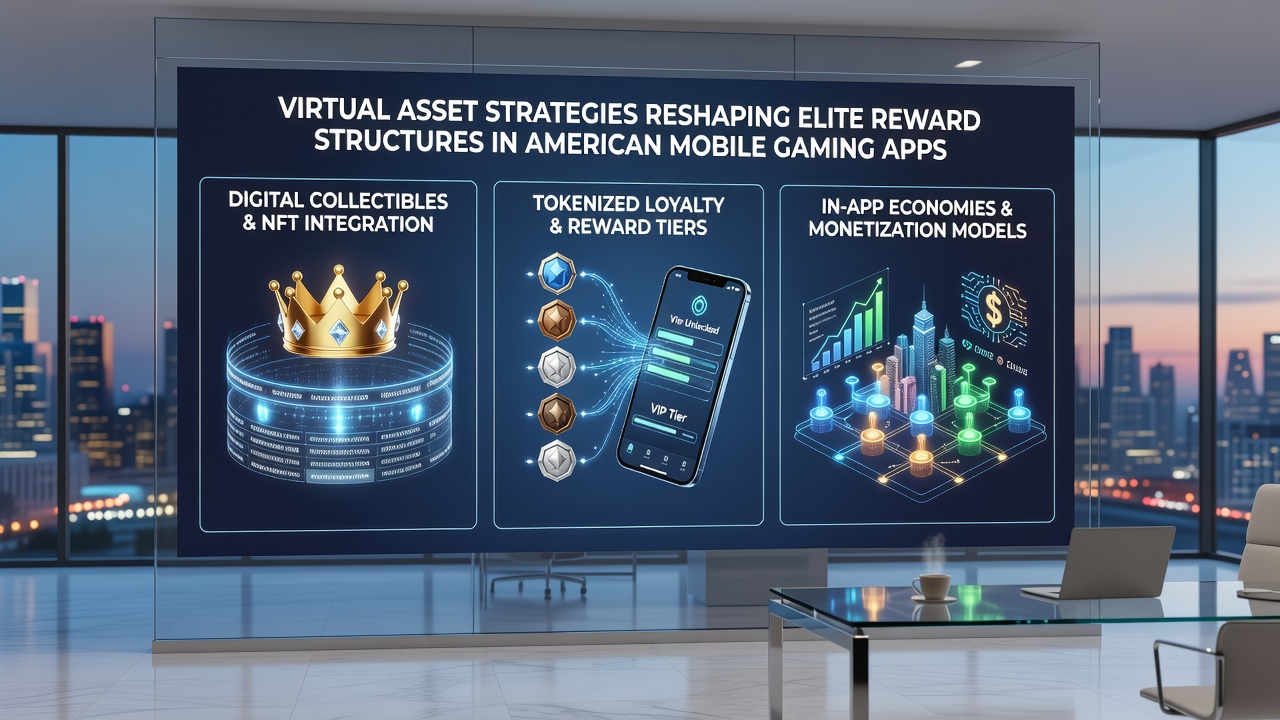
Adoption patterns vary by genre, with role-playing and strategy applications leading implementation rates according to developer surveys. Participants in these programs often report higher lifetime value metrics, as the ability to trade assets encourages continued investment to maintain competitive positioning. What's interesting is how developers have begun experimenting with cross-game asset portability, a feature that extends reward utility across multiple titles from the same publisher.
Future Developments and July 2026 Milestones
Industry roadmaps point toward expanded interoperability standards scheduled for rollout around July 2026, when several platforms plan to enable seamless asset transfers between compatible mobile ecosystems. These updates aim to standardize verification protocols and reduce friction in reward redemption processes. Canadian regulatory reviews have provided comparative frameworks that US developers reference when refining compliance approaches for cross-border asset movements.
Academic analyses continue to track how tokenized systems influence player behavior, with longitudinal studies tracking cohorts of elite users over multi-year periods. Evidence suggests that the shift toward virtual assets has prompted adjustments in monetization models, as developers balance accessibility for broader audiences against exclusivity for high-engagement segments.
Conclusion
Virtual asset strategies have established new parameters for elite reward structures within American mobile gaming applications, supported by measurable shifts in revenue allocation and user retention statistics. Ongoing platform enhancements and regulatory clarifications will shape how these systems evolve, with data from multiple sources indicating sustained interest among both developers and participants. The landscape continues to reflect integration of blockchain technologies into established gaming frameworks, producing reward mechanisms that operate across digital and economic dimensions.