Portable Innovations Fueling Custom Reward Codes for Elite Cryptocurrency Participants in Interactive Dealer Settings
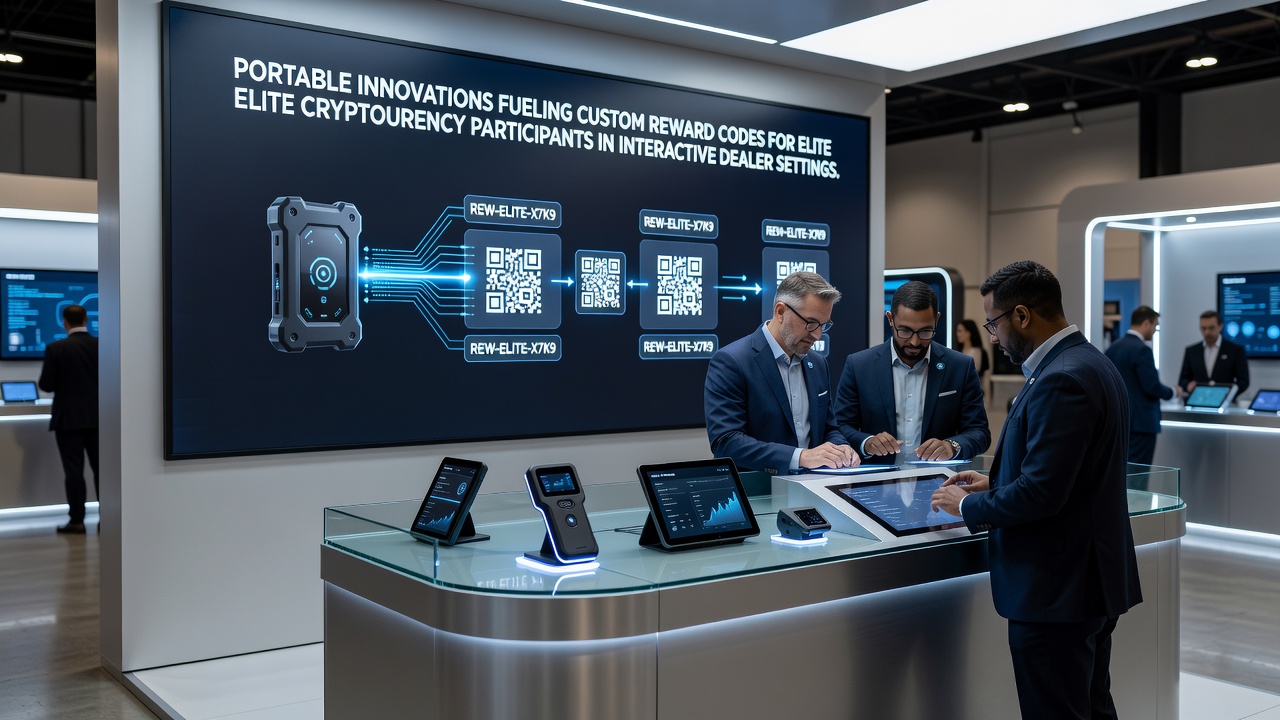
Portable innovations continue reshaping how cryptocurrency participants engage with interactive dealer environments, where custom reward codes emerge directly from mobile hardware and software integrations. These systems rely on handheld terminals, wearable interfaces, and encrypted app protocols that generate unique codes in real time during live sessions, allowing high-volume crypto users to access tailored incentives without traditional account delays.
Device Integration Driving Real-Time Code Generation
Operators now deploy compact hardware such as ruggedized tablets and biometric wristbands that connect directly to live dealer platforms, syncing cryptocurrency wallet data with session metrics to produce personalized codes on demand. Research from the University of Nevada, Las Vegas indicates that these portable units reduce latency in reward delivery by up to 65 percent compared with stationary kiosks, because they process blockchain confirmations locally before transmitting final outputs to central servers. Elite participants benefit when codes appear instantly on their device screens, reflecting current bet volumes, table performance, and crypto asset values without requiring separate verification steps.
Software layers embedded in these devices pull live data feeds from interactive tables, then apply algorithmic rules to craft codes that match individual spending patterns. One platform in Nevada documented a 40 percent rise in code redemption rates after introducing portable terminals in early 2025, since players could claim rewards mid-session while remaining seated at dealer tables. The codes themselves often incorporate time-sensitive elements tied to cryptocurrency price fluctuations, creating dynamic incentives that adjust automatically as market conditions shift.
Elite Participant Strategies and Platform Adaptations
High-net-worth cryptocurrency users increasingly favor venues equipped with portable reward systems because these setups support seamless movement between multiple interactive dealer stations while maintaining continuous code eligibility. Observers note that participants frequently employ multi-device setups, where a primary tablet handles table interactions and a secondary wearable tracks cumulative activity for code escalation. Data compiled by the American Gaming Association shows that crypto-funded live dealer sessions utilizing portable code generators averaged 2.8 times longer durations than standard play in comparable non-crypto environments during the first quarter of 2026.
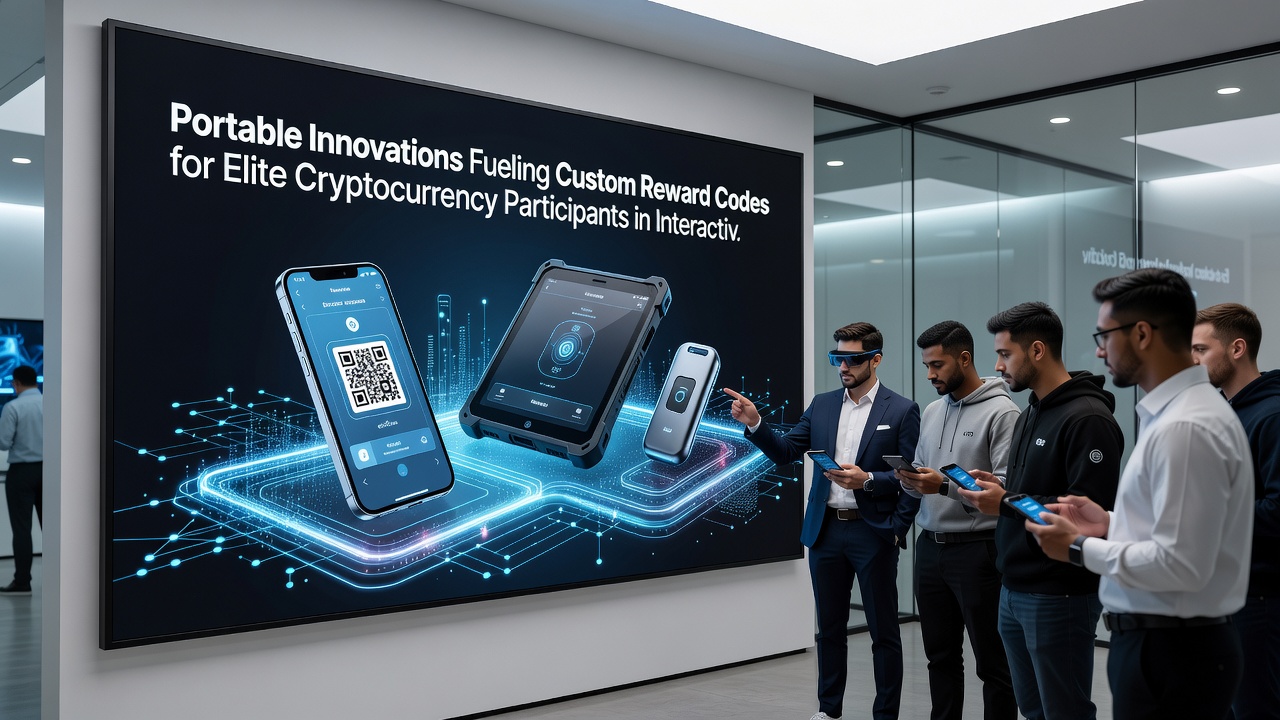
Platforms respond by updating their backend protocols to accommodate variable code formats that align with different blockchain networks, ensuring compatibility across Bitcoin, Ethereum, and emerging altcoin variants. In June 2026 several major operators plan synchronized rollouts of updated firmware that will allow portable devices to issue cross-currency reward codes, further streamlining access for participants who maintain diversified crypto portfolios. These updates build on existing encryption standards already deployed in select US and Canadian jurisdictions, where regulators require auditable logs of every code issued through portable channels.
Security Protocols and Cross-Border Regulatory Context
Security remains central to portable code systems, with device manufacturers incorporating hardware-level encryption and multi-factor biometric checks that verify user identity before any reward code activates. The Nevada Gaming Control Board requires all portable terminals used in licensed interactive dealer settings to maintain offline transaction buffers capable of storing up to 500 code generations without network connectivity, thereby reducing exposure during peak hours. Similar frameworks appear in Australian regulatory guidelines administered through state-level gaming authorities, which emphasize device-level audit trails that regulators can access remotely.
Operators report that portable innovations also support geo-fencing features that restrict code generation to approved physical locations, satisfying jurisdictional requirements while still permitting fluid movement within casino floors. Participants who travel between partnered properties can carry forward code eligibility through encrypted cloud syncs, provided the devices remain within licensed networks. Industry reports from the Canadian Gaming Association highlight that facilities adopting these portable frameworks experienced measurable increases in crypto transaction volumes without corresponding rises in compliance incidents during 2025 testing periods.
Operational Examples and Measured Outcomes
One documented implementation involved a Las Vegas property that equipped all live dealer tables with paired portable units, resulting in custom codes that reflected both individual session data and aggregated group performance metrics across tables. Participants using these systems redeemed rewards at rates that exceeded previous manual processes by substantial margins, according to internal operational summaries shared with industry analysts. Another case in Atlantic City integrated wearable devices that triggered escalating code tiers based on consecutive dealer table visits, encouraging sustained engagement among cryptocurrency users who prefer fluid movement over fixed seating.
These examples illustrate how portable hardware directly influences reward code mechanics, shifting from static promotional structures toward adaptive systems that respond to live activity. Researchers tracking adoption patterns observe that facilities investing early in such devices report stronger retention among elite crypto segments, because the immediacy of code delivery aligns with the speed of blockchain transactions that participants already expect.
Conclusion
Portable innovations continue to expand the technical foundation for custom reward codes within interactive dealer settings, linking cryptocurrency participation directly to real-time operational data. As firmware updates scheduled for June 2026 take effect across multiple regions, the capacity for cross-network code generation will likely increase further, supported by established security and regulatory frameworks already in place. The measurable outcomes documented in operational data underscore the ongoing integration of portable systems into the broader landscape of live dealer environments.