Local Casinos Revamp Loyalty Structures as Tax Burdens Fuel Underground Betting Markets
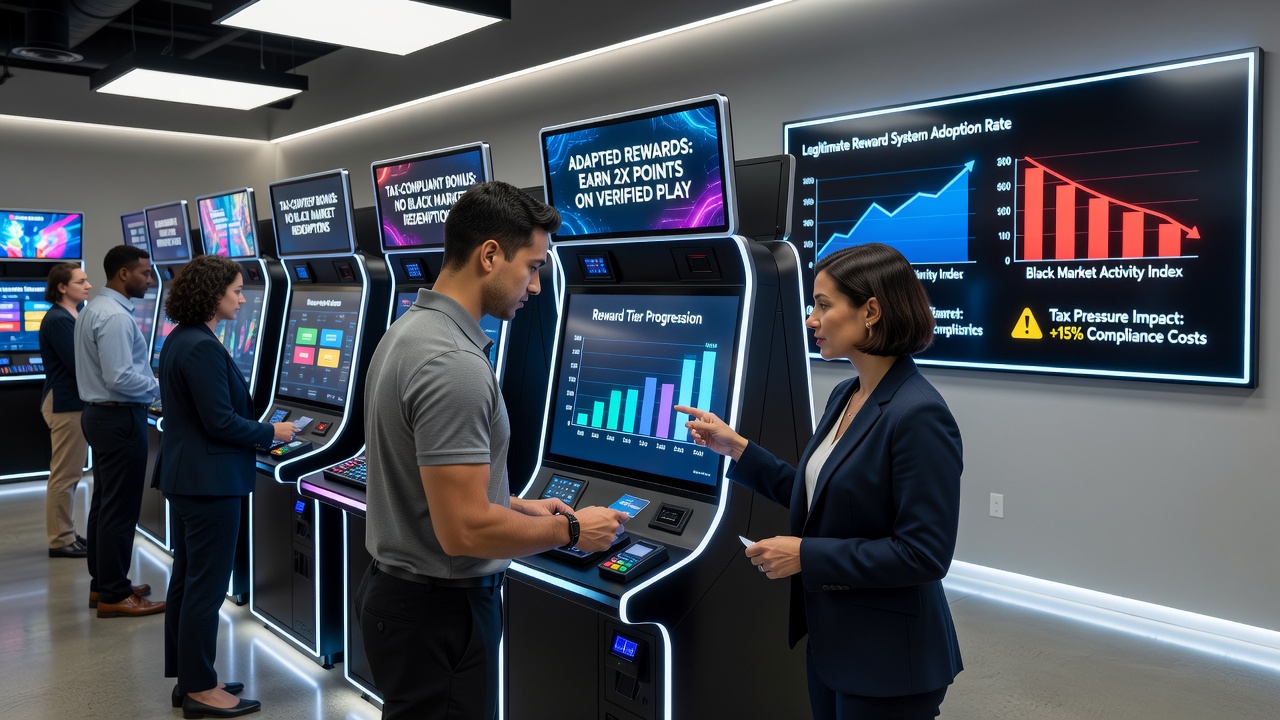
Regional gaming venues across multiple jurisdictions have begun restructuring their reward systems in response to increasing tax obligations and the corresponding growth in black market activity, according to industry reports from various oversight bodies. These operators face pressure from higher fiscal demands that reduce profit margins while simultaneously pushing some players toward unregulated alternatives. Data from the Victorian Responsible Gambling Foundation indicates that tax-related cost increases in certain markets have coincided with measurable shifts in player behavior toward illicit platforms.
Operators in smaller markets have introduced tiered loyalty programs that emphasize immediate, tangible benefits rather than long-term accumulation points. These programs often feature instant cashback on losses, personalized bonus credits tied to visit frequency, and exclusive access to events that unregulated sites cannot replicate. Venues report that such adjustments help retain customers who might otherwise explore black market options when facing higher effective costs at licensed locations.
Tax Pressures Reshape Operational Priorities
Tax hikes implemented in several regions have prompted venues to analyze their reward expenditures more closely while seeking ways to maintain player engagement. Facilities in mid-sized cities have consolidated certain promotional budgets into targeted systems that reward consistent play with hybrid benefits, combining digital credits and physical perks such as dining vouchers or merchandise. This approach allows operators to deliver value without proportionally increasing overall spending on traditional comps.
Those who've examined venue financials note that reward system modifications often occur alongside broader cost-control measures. Venues track redemption rates and player retention metrics to determine which incentives produce the strongest return. Adjustments frequently include capping maximum rewards per session while expanding eligibility for smaller, more frequent payouts that encourage repeat visits.
Countering Black Market Competition Through Incentives
Black market platforms have gained traction in areas where tax increases have raised the cost of play at licensed venues, creating opportunities for unregulated operators to offer higher payout percentages without compliance overhead. Regional venues counter this by developing reward mechanisms that incorporate elements difficult for illicit sites to match, such as verified random number generator transparency and direct integration with responsible gaming tools.
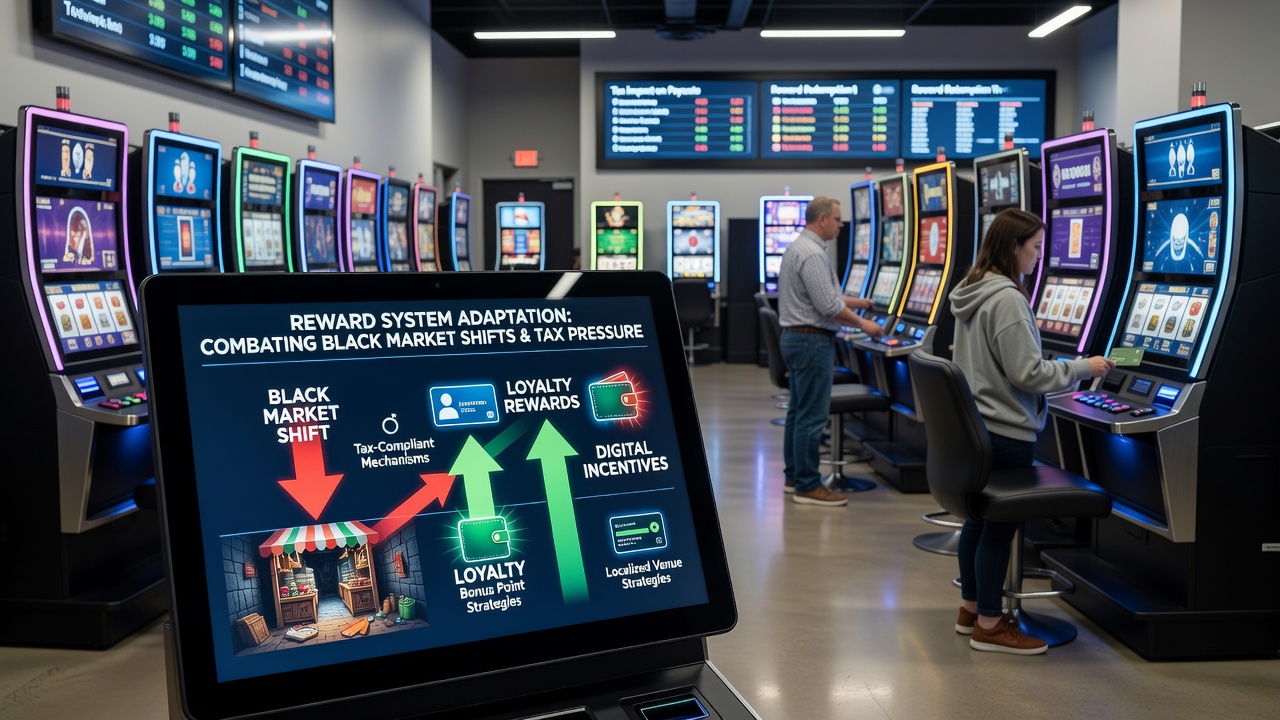
One common adaptation involves creating closed-loop reward ecosystems where points earned through play convert into experiences available only at physical locations. These include tournament entries, meet-and-greet opportunities with gaming personalities, and priority seating at live events. Data compiled by the Australian Gambling Research Centre shows that experiential rewards correlate with higher retention rates compared to pure monetary incentives in competitive markets.
Venues have also experimented with dynamic reward scaling that responds to real-time player activity patterns. Systems adjust bonus offerings based on individual play history and current session behavior, aiming to deliver relevant incentives that discourage switching to unregulated alternatives. Operators monitor these systems through internal analytics that measure both redemption frequency and subsequent play volume.
Implementation Patterns Across Different Markets
Facilities in rural and suburban areas have adopted simpler reward structures than their urban counterparts, focusing on straightforward cashback tiers and free play allocations that require minimal technological investment. These venues often partner with local businesses to expand the perceived value of rewards through cross-promotions that black market operators cannot easily duplicate.
Urban regional venues, by contrast, tend to invest in mobile-integrated reward applications that allow players to track benefits and redeem offers remotely. These apps frequently include push notifications for time-limited promotions designed to increase foot traffic during slower periods. The July 2026 compliance deadlines affecting machine standards in certain jurisdictions have also influenced how some operators time their reward system rollouts, aligning updates with required equipment changes.
Measuring Effectiveness of Adapted Systems
Early indicators from venues that have implemented revised reward structures show mixed but generally positive retention trends among core player segments. Operators track metrics such as average session length, frequency of visits, and total handle per player to assess whether new incentive models offset the impact of tax-driven price sensitivity. Those monitoring these developments report that success depends heavily on consistent execution and regular recalibration based on player feedback.
Conclusion
Regional gaming venues continue refining their approaches to reward systems as tax environments evolve and black market activity remains a factor in player decision-making. The adaptations observed across different markets reflect efforts to balance fiscal realities with competitive pressures, using data-driven adjustments to loyalty structures that emphasize immediate value and unique experiences. These changes represent ongoing operational responses rather than one-time fixes, with operators expected to monitor outcomes and iterate as market conditions shift.