Digital Wallets Transform Reward Layering for Crypto Players in Licensed US Mobile Casinos
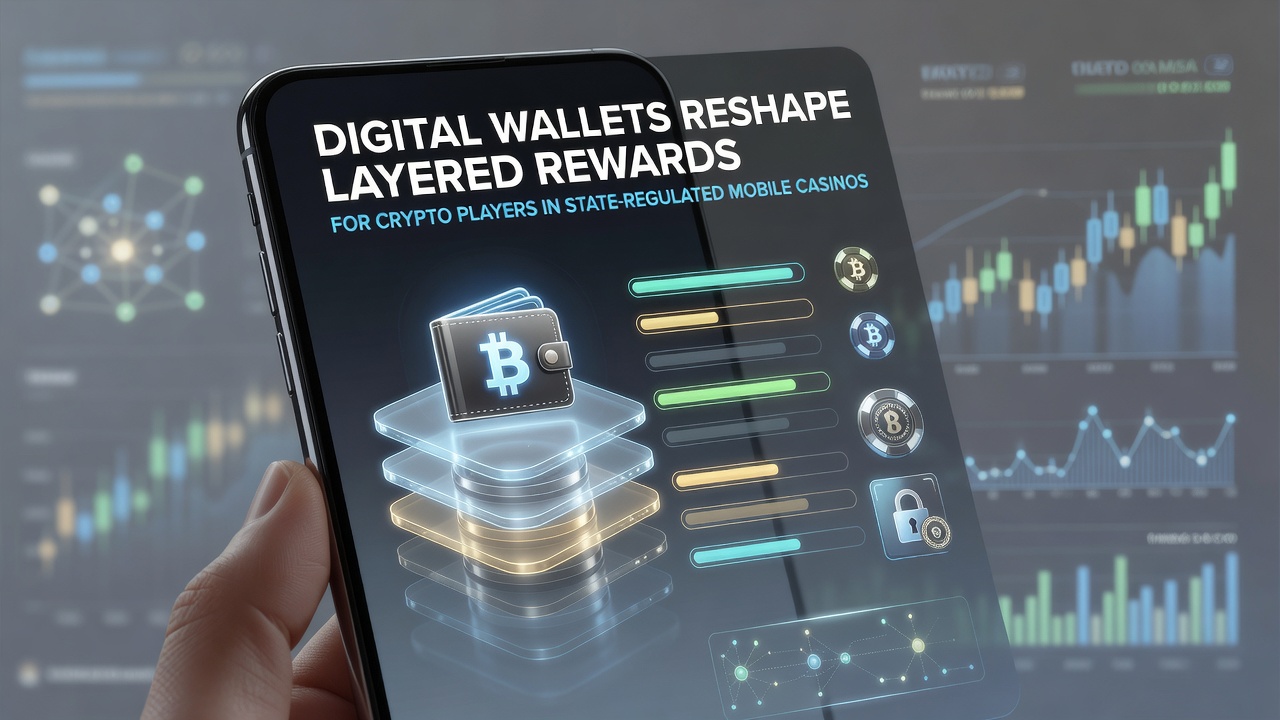
Digital wallets now integrate directly with state-regulated mobile casino platforms across multiple US jurisdictions and they allow crypto players to manage deposits, withdrawals, and layered reward structures in one streamlined process. Operators report that these systems track player activity in real time while they apply tiered bonuses based on deposit size, game selection, and loyalty milestones. Research from industry analysts shows that adoption rates climbed steadily through 2025 in states like New Jersey and Pennsylvania where mobile gaming regulations already permit cryptocurrency transactions.
Mechanics Behind Wallet Integration
State licensing boards require that digital wallets meet specific security and verification standards before platforms can accept them for play and this setup creates a direct link between wallet balances and reward engines inside casino apps. Players fund accounts through supported coins such as Bitcoin or stablecoins and the system automatically converts activity into points that unlock successive reward layers. Observers note that the process reduces processing times compared wth traditional banking rails while it maintains compliance with know-your-customer rules enforced at the state level.
Layered rewards typically begin with an initial deposit match that scales according to wallet type and transaction volume, then they progress to cashback percentages that increase with cumulative play and finally they reach exclusive access levels that include higher table limits or personalized promotions. Data from platform operators indicates that crypto users who maintain consistent wallet activity reach upper tiers faster than those using fiat-only methods.
Regulatory Landscape and June 2026 Updates
Multiple state regulators have aligned their frameworks to accommodate digital wallet features ahead of June 2026 deadlines that address transaction transparency and responsible gaming tools. These updates require platforms to display reward layer progress clearly inside wallet-connected dashboards and they mandate audit trails for every bonus award. Figures released by gaming control agencies in Nevada and Michigan reveal that compliance filings increased by 18 percent in the first quarter of 2026 as operators prepared for the changes.
Industry organizations such as the American Gaming Association have published guidance documents that help platforms map wallet data flows to regulatory reporting requirements. This coordination ensures that layered rewards remain accessible to verified crypto players without creating gaps in oversight.
Impact on Player Behavior and Platform Design
Studies conducted by university research teams tracking mobile casino usage patterns demonstrate that crypto players who link digital wallets engage with more game categories per session because reward layers activate across different verticals. One analysis of anonymized data from licensed operators found that average session length rose by 12 minutes when wallet integration included real-time tier notifications.
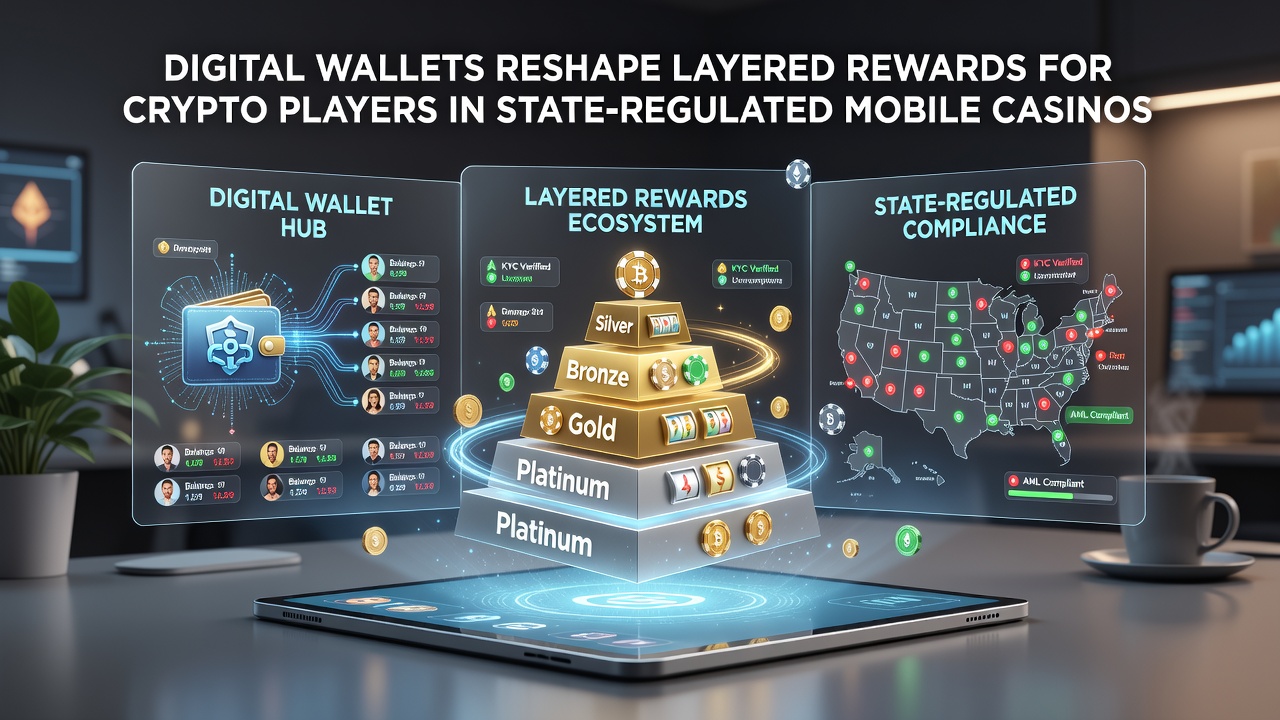
Platform developers responded by embedding wallet APIs that automatically adjust bonus multipliers based on current tier status and this automation removes manual claim steps that previously interrupted play flow. Those who've studied user retention metrics observe that players who reach the third reward layer exhibit higher return rates over a 90-day window compared with lower-tier participants.
Security and Compliance Considerations
Digital wallets used in state-regulated environments incorporate multi-signature protocols and cold-storage options that reduce exposure risks while they satisfy audit requirements set by licensing authorities. Reports from cybersecurity firms specializing in gaming highlight that wallet-linked reward systems undergo penetration testing at regular intervals to protect player balances and bonus allocations. State regulators in Connecticut and West Virginia have incorporated these standards into their certification processes for mobile applications.
Third-party auditors verify that reward calculations match actual wallet activity and they issue compliance certificates that operators must renew annually. This verification chain supports the layered structure by confirming that each tier advancement rests on documented transactions rather than promotional estimates.
Future Outlook Through Mid-2026
Platform roadmaps shared by major operators indicate further refinements to wallet-reward connectivity will roll out before June 2026 including expanded support for additional cryptocurrencies and enhanced analytics dashboards that predict tier progression. Trade group publications project that states expanding mobile gaming authorization will adopt similar wallet standards to maintain consistency across jurisdictions.
Conclusion
Digital wallets have established a technical foundation that ties crypto transactions directly to multi-layered reward systems inside state-regulated mobile casinos and this connection continues to evolve under updated compliance frameworks scheduled for June 2026. Operators maintain these structures through verified APIs and regulatory oversight while players benefit from automated tier progression tied to actual wallet activity. The resulting ecosystem delivers measurable engagement increases according to platform data and research summaries released by academic and industry sources.