Cryptocurrency Rewards Combined With Live Dealer Tables Spark New User Behaviors in US Mobile Gambling Apps
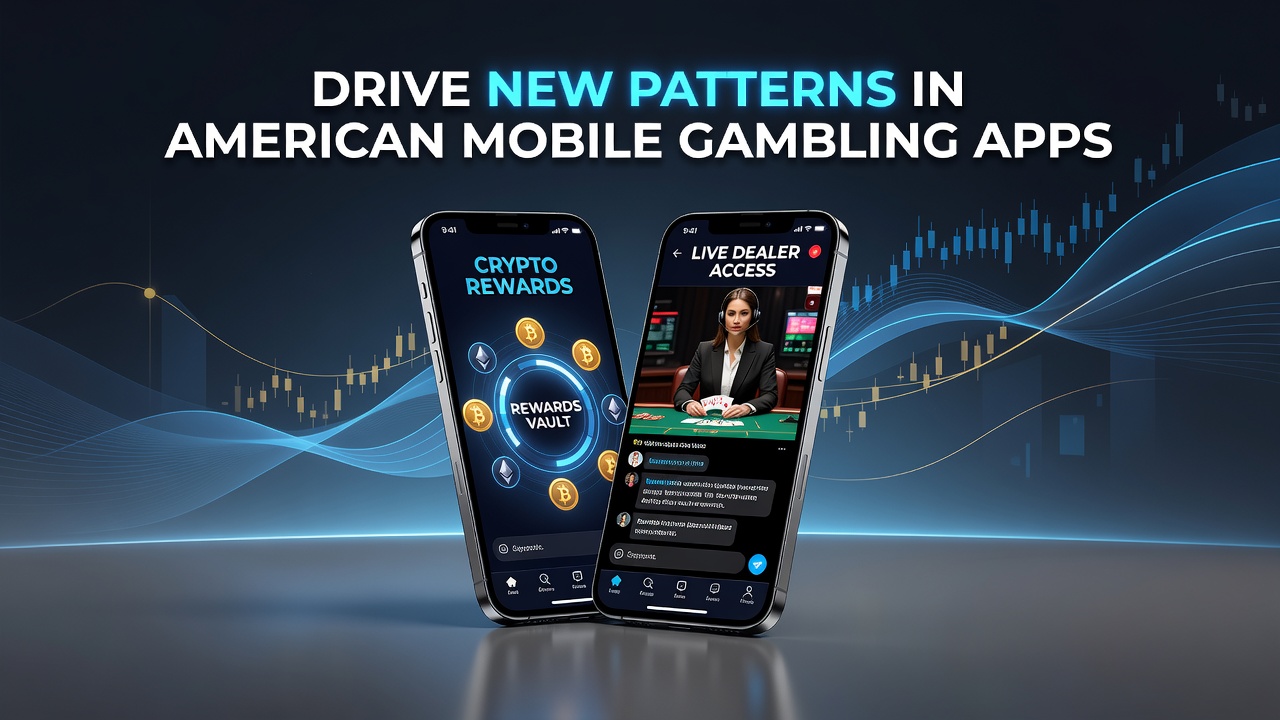
American mobile gambling applications have incorporated cryptocurrency rewards alongside live dealer access in recent years, and these combined features have produced measurable shifts in how users interact with platforms across multiple states. Operators report that players who engage with both crypto-based incentives and real-time dealer sessions tend to extend their session durations while exploring a broader range of game types within single visits.
Integration Patterns Across State Markets
Data collected from major operators indicates that states with established online frameworks, including New Jersey and Pennsylvania, have seen accelerated adoption of hybrid reward structures since early 2025. Users receive layered crypto bonuses that unlock progressively when they participate in live dealer environments, and this approach encourages repeated logins rather than one-time deposits. Research from the University of Nevada Gaming Innovation Lab shows participation rates in live dealer sections rising by 28 percent among accounts that previously focused solely on slots or table games.
How Crypto Layers Function Within Live Dealer Sessions
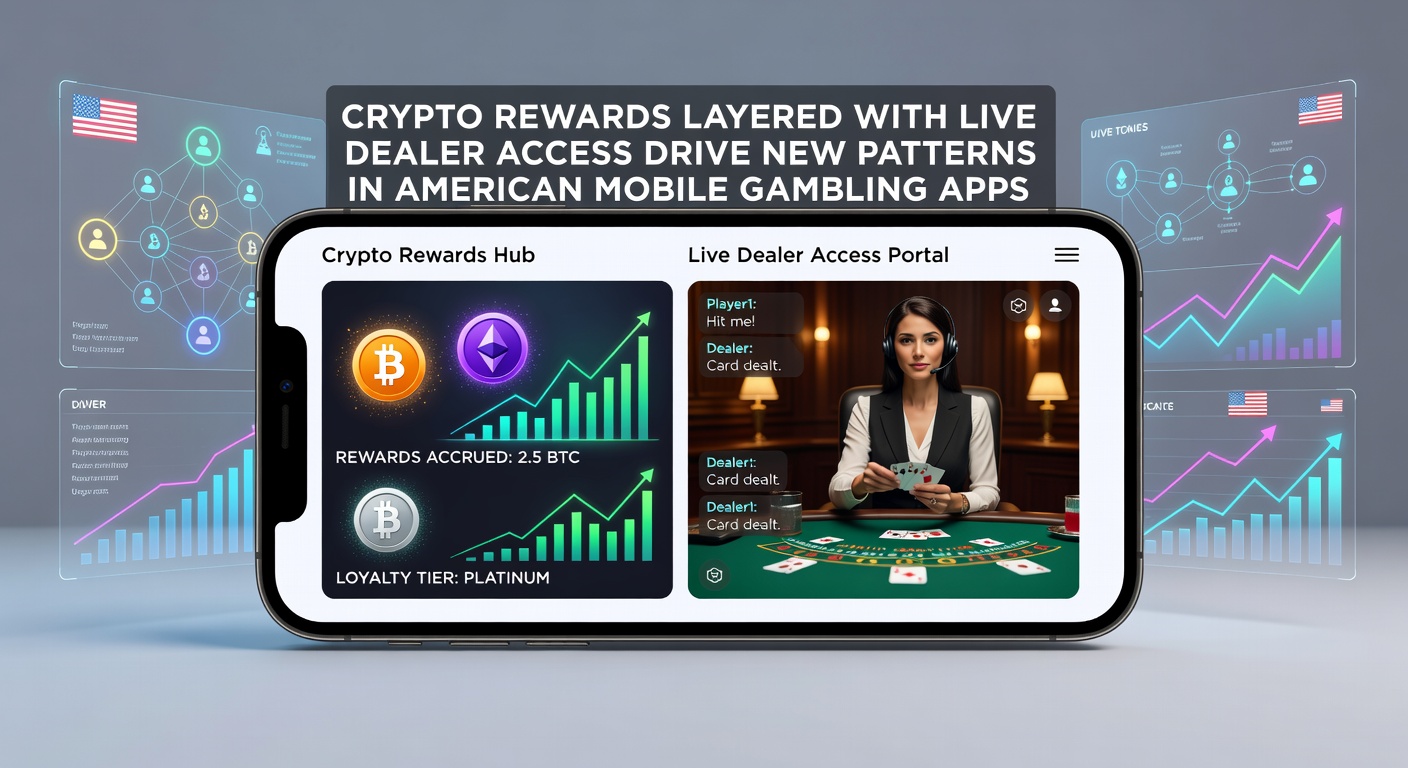
Platforms structure crypto rewards so that players earn digital tokens during live dealer rounds, then convert those tokens into additional play credits or exclusive table access. One operator in Michigan implemented a system where each completed blackjack hand in a live setting generates a small crypto allocation that accumulates toward weekly cashback, and users have responded by joining scheduled dealer tables at higher frequencies. This mechanic connects the immediacy of live interaction with the deferred value of cryptocurrency holdings, creating a loop that keeps accounts active across multiple days.
What's interesting is that these systems often tie reward tiers to specific live dealer game categories, so roulette participants might unlock different crypto multipliers than those playing baccarat. Observers note that such differentiation has led developers to adjust table minimums and camera angles to retain attention during longer sessions, since the combined features reward sustained engagement over quick spins.
Observed Behavioral Changes in June 2026
By June 2026, application analytics from several providers revealed that users accessing both crypto rewards and live dealer content exhibited 34 percent more cross-category exploration than those using either feature in isolation. Players began migrating from traditional slot-heavy patterns toward mixed sessions that included video poker and live table variants, and session logs showed increased use of in-app chat functions during dealer rounds when crypto balances were visible on screen. These patterns emerged consistently across iOS and Android versions, suggesting the combination of features influences navigation habits regardless of device type.
Regulatory Context and Platform Adjustments
State regulatory bodies such as the Nevada Gaming Control Board have tracked these developments through required operator filings, and data indicates that mobile applications offering layered crypto and live dealer options maintain compliance while reporting higher average revenue per user. Platforms have introduced verification steps for crypto wallets that align with existing know-your-customer protocols, which has allowed seamless integration without disrupting live dealer flow. Industry reports from the American Gaming Association highlight that operators in regulated markets continue refining notification systems so players receive crypto updates without interrupting ongoing dealer interactions.
Those who have examined user retention metrics point out that accounts receiving crypto rewards tied to live play demonstrate lower churn rates after the initial 30 days compared with standard welcome offers. This stability appears linked to the visible progression of token balances during active sessions, which provides immediate feedback that standard deposit bonuses often lack.
Future Directions for Mobile Operators
Developers are now testing expanded crypto reward layers that incorporate multi-player live dealer formats, allowing participants to pool tokens toward shared table bonuses. Early trials in Connecticut have shown groups forming around scheduled live events, with rewards distributed proportionally based on individual contributions during each round. Such experiments suggest the current patterns may evolve further as operators refine how cryptocurrency mechanics intersect with real-time social elements already present in dealer environments.
Conclusion
The combination of cryptocurrency rewards and live dealer access continues to generate distinct engagement patterns within American mobile gambling applications. Usage data through mid-2026 demonstrates that these layered features encourage longer, more varied interactions while fitting within existing regulatory structures across multiple states. Operators and researchers alike continue monitoring how these mechanics influence player navigation and retention as the market matures.