Cryptocurrency Incentives Intersect with Live Dealer Platforms in High-Stakes Mobile Gaming
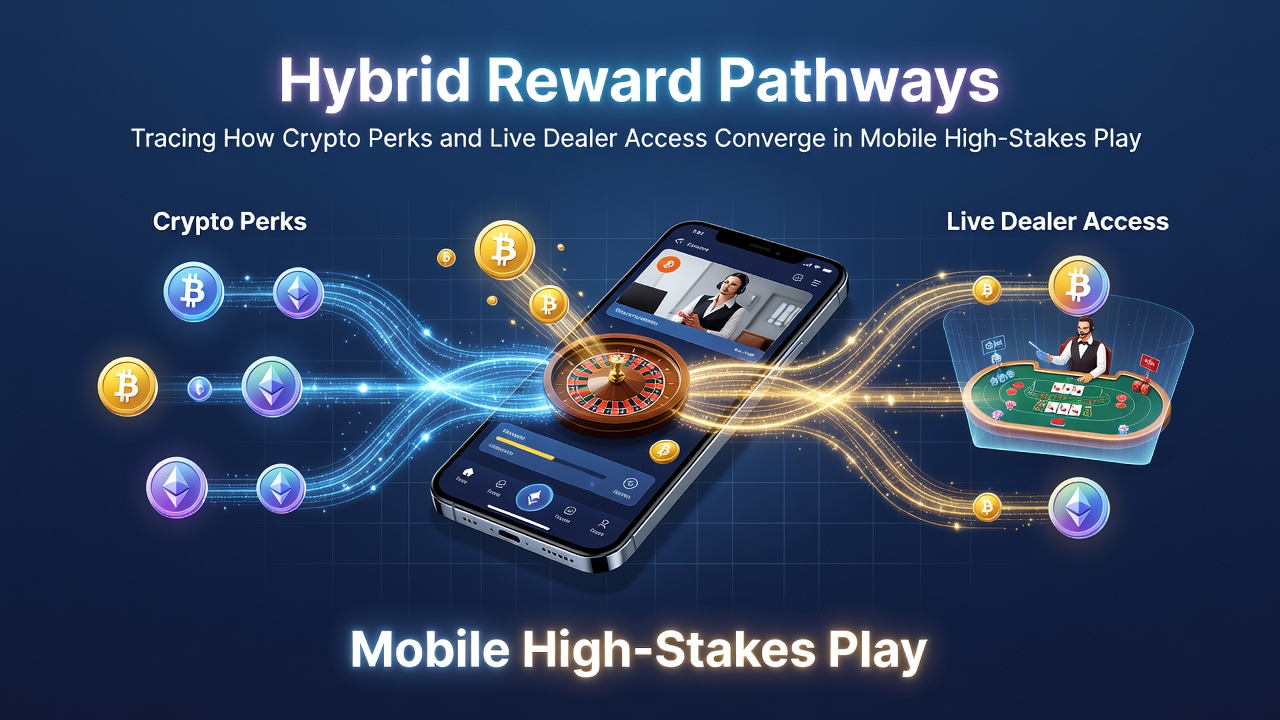
Digital assets have entered high-stakes mobile environments where players access live dealer tables through apps that integrate cryptocurrency deposits and reward structures, and this convergence creates layered incentive systems that link instant funding options with exclusive table access. Operators now embed crypto-based perks directly into live game lobbies so that users who complete blockchain transactions receive priority entry to private rooms or enhanced multiplier features during real-time sessions.
Platform Mechanics Behind the Integration
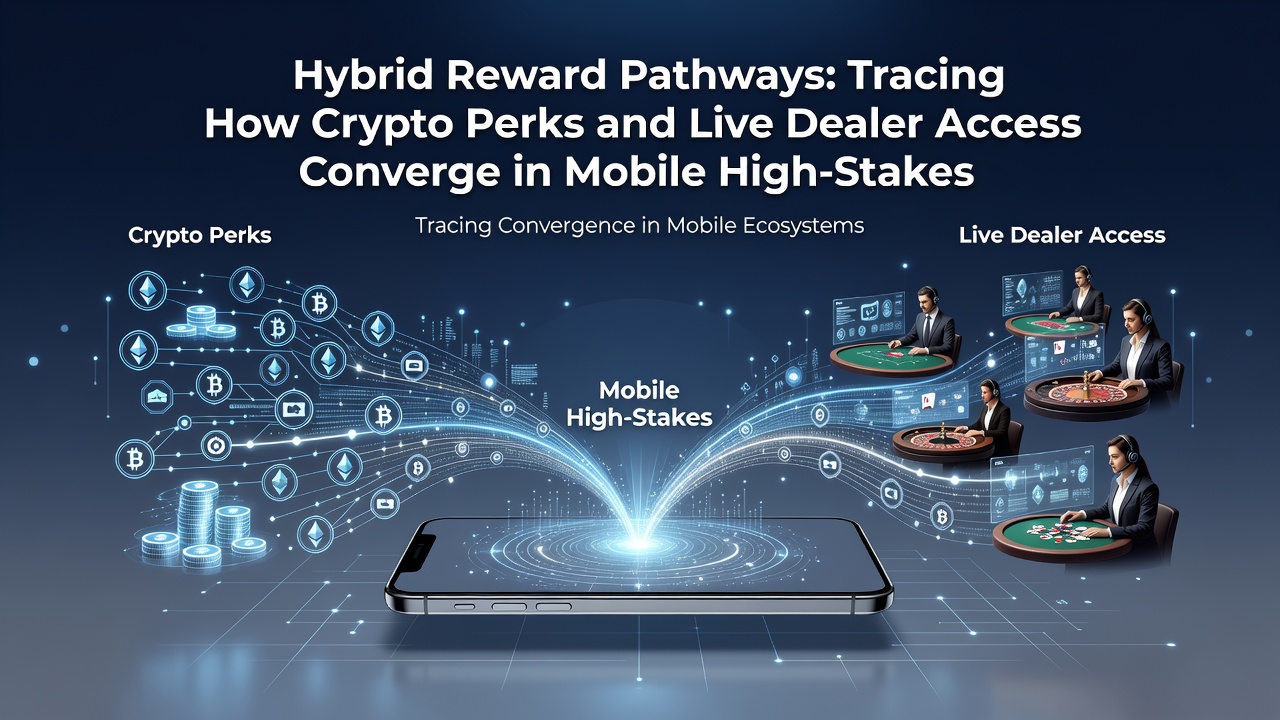
Mobile applications combine wallet connectivity with dealer stream technology to allow seamless movement from crypto deposits to live blackjack or roulette tables, while reward pathways track transaction volume and convert it into tiered benefits such as reduced house edges or dedicated dealer assignments. Data from industry reports shows that these systems often synchronize loyalty points across both crypto deposits and live session duration, creating unified progress bars that unlock higher-stakes tables once certain thresholds are met.
Users frequently encounter hybrid menus where selecting a crypto-funded live game automatically applies a temporary bonus multiplier, and this linkage reduces friction between funding and play because the same digital asset used for entry can trigger additional credits without separate redemption steps. Research from university gaming studies indicates that such mechanics increase session length among participants who maintain consistent wallet activity, because the visible reward accumulation encourages continued engagement with live dealer rounds.
Market Data and Adoption Patterns
Figures released by North American regulatory bodies reveal steady growth in mobile live dealer traffic that coincides with expanded cryptocurrency acceptance, and states with licensed online frameworks have recorded higher volumes of blockchain transactions tied to table game access. Observers note that high-stakes segments show faster uptake because larger bettors already manage digital wallets for speed and privacy, allowing operators to route those users toward live environments where real-time interaction pairs with instant reward crediting.
One analysis from an academic research paper on digital finance in gaming found that platforms offering crypto-to-live pathways experienced measurable increases in average wager size during evening peak hours, and this pattern holds across multiple jurisdictions where mobile apps support both features simultaneously. The integration also appears in promotional calendars that align crypto deposit events with scheduled live tournaments, giving participants additional entry tickets or cashback percentages based on combined activity.
Regulatory Context Across Regions
Authorities in several Canadian provinces have updated guidance on digital asset use in licensed gaming apps, requiring clear separation between reward calculations and live game outcomes to maintain fairness standards, while Australian oversight bodies have begun reviewing similar hybrid models for compliance with consumer protection rules. These frameworks emphasize transparent disclosure of how crypto perks influence table access without altering core game probabilities.
Industry associations representing gaming operators have published best-practice documents that outline secure API connections between wallet providers and live streaming servers, and these guidelines help platforms maintain audit trails that link each crypto transaction to specific live sessions. Players who navigate these systems often discover that reward pathways reset or carry over depending on the operator's monthly cycle, which affects long-term strategies for maintaining VIP status in live dealer environments.
Technical Implementation Details
Developers build these pathways using smart contract triggers that detect qualifying deposits and automatically assign live table privileges within the app interface, and this automation minimizes manual intervention while ensuring rewards activate only after blockchain confirmation. Security protocols require multi-factor verification before high-stakes live games open to crypto users, reducing exposure during the transition from wallet to dealer stream.
Testing conducted by independent labs shows that latency between crypto confirmation and live table entry remains under acceptable thresholds on major mobile networks, allowing continuous play without noticeable interruptions. Operators continue to refine these connections as smartphone hardware advances, incorporating features such as biometric wallet unlocks that further streamline access to hybrid reward and live dealer content.
Future Developments Expected by Mid-2026
Projections shared at international gaming conferences point toward expanded cross-platform compatibility that will let users carry crypto-earned live table credits between different licensed apps, and this evolution could standardize reward pathways across multiple operators. June 2026 has been referenced in several development roadmaps as a target window for broader adoption of unified loyalty ledgers that merge crypto activity with live session history.
Those who monitor regulatory filings observe that additional jurisdictions may introduce sandbox programs allowing controlled testing of these hybrid systems, providing data on player behavior and financial flows before full-scale rollout. Such programs would generate metrics that clarify how crypto perks affect live dealer participation rates without compromising responsible gaming measures already in place.
Conclusion
The convergence of cryptocurrency incentives and live dealer access on mobile platforms continues to evolve through integrated reward structures that connect funding methods directly to table privileges. Available data and technical implementations demonstrate measurable effects on session patterns and user progression systems, while regulatory developments across multiple regions shape how these features expand. Observers tracking industry reports note ongoing refinements that align blockchain transactions with real-time gaming environments, establishing clearer operational standards ahead of anticipated updates in 2026.