Crypto Incentives Blending with Live Dealer Tables in Mobile Casino Platforms
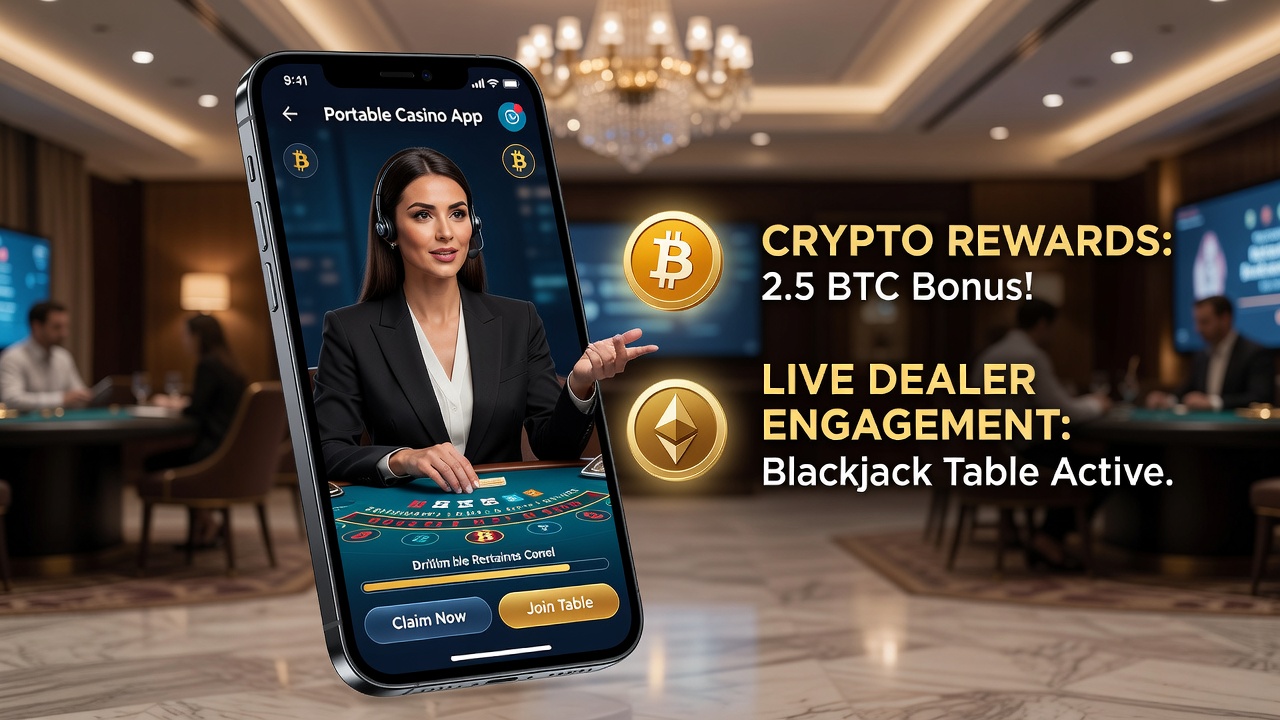
Portable casino applications have incorporated cryptocurrency rewards into live dealer sessions over recent years, creating systems where digital asset bonuses connect directly with real-time table games. Mobile platforms process bets and payouts through blockchain networks while players interact with streamed dealers, and data from industry reports shows increased adoption rates in regions with established online gaming markets. Observers note that these integrations allow users to receive crypto incentives for participation in games such as blackjack and roulette without separate transaction steps.
Mechanics of Reward Integration in Live Sessions
Developers design mobile applications to link cryptocurrency wallets with live dealer interfaces, enabling instant crediting of rewards upon meeting play thresholds. Research indicates that blockchain verification reduces processing times for bonus activations compared to traditional banking methods, and users can track earnings through in-app dashboards that update during ongoing sessions. Those who have examined these systems find that layered reward structures often combine initial deposits in digital currencies with multipliers applied specifically to live table outcomes.
Applications frequently feature loyalty programs where engagement metrics from live dealer rounds accumulate toward crypto-based VIP tiers. According to figures from the European Gaming and Betting Association, mobile live dealer traffic has risen steadily as platforms introduce hybrid incentives that reward both volume of play and specific game selections. This approach connects deposit bonuses with table minimums, allowing players to unlock additional spins or cash equivalents denominated in cryptocurrencies.
Technical Features Supporting Mobile Interactions
Live dealer streams in portable applications rely on low-latency video protocols that synchronize with cryptocurrency transaction ledgers for bet placement and settlement. Developers implement smart contract elements to automate reward distribution once live game results are confirmed, which minimizes disputes over bonus eligibility. Studies from academic sources on digital payment systems reveal that such automation supports higher session retention when users access games through smartphones or tablets rather than desktop interfaces.
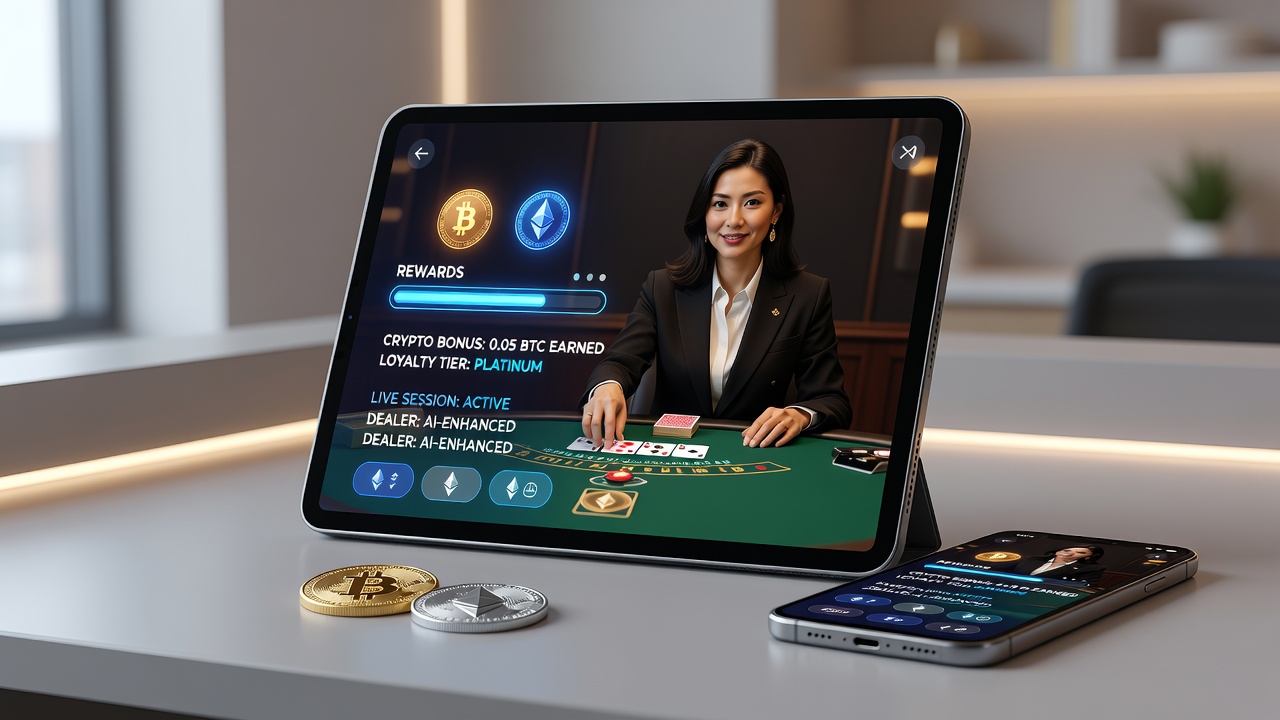
Security protocols incorporate multi-signature wallet approvals alongside encrypted video feeds, and industry analyses indicate these measures address concerns around fund safety during extended live engagements. Applications also provide options for converting rewards across different cryptocurrencies mid-session, which accommodates fluctuating exchange rates without interrupting dealer interactions. People who monitor platform updates note that these features emerged prominently as mobile hardware capabilities improved around 2023 onward.
Regional Adoption Patterns and Data Trends
Markets in North America and parts of Asia have seen mobile applications emphasize crypto rewards tied to live dealer formats more than other areas, according to reports compiled by research institutions tracking iGaming metrics. Data shows that operators in jurisdictions with clear digital asset regulations achieve faster rollout of these combined features. For instance, platforms operating under frameworks from bodies like those in Malta have documented higher average wager amounts when crypto incentives apply directly to live table minimums.
Portable apps often schedule promotional events around live dealer tournaments where participants earn cryptocurrency entries or prizes based on performance rankings. External analyses from sources such as industry association publications highlight that user acquisition through these hybrid offers has contributed to overall sector expansion in recent periods. Yet platform operators must align these mechanics with varying compliance standards across borders, which influences how rewards display and redeem within specific applications.
Future Developments Around 2026 Standards
Upcoming technical standards scheduled for implementation in July 2026 are expected to influence how mobile applications handle cryptocurrency settlements during live dealer play. These updates focus on enhanced interoperability between digital ledgers and streaming technologies, and preliminary testing by developers suggests reduced latency in reward notifications. Observers who track regulatory timelines point out that such changes could standardize verification processes for live game outcomes across multiple jurisdictions without requiring users to switch between separate apps.
Integration efforts also explore augmented reality overlays that display crypto reward progress alongside dealer tables on mobile screens. Research into user behavior patterns indicates sustained interest in these visual enhancements when they tie directly to ongoing live sessions rather than static menus. Platforms preparing for the 2026 adjustments have begun pilot programs that combine multi-currency support with real-time dealer feeds.
Conclusion
The combination of cryptocurrency rewards and live dealer elements within portable casino applications continues to evolve through technical refinements and market data. Evidence from multiple regions demonstrates that these features support seamless mobile experiences where digital incentives enhance table game participation. As standards advance toward 2026, further refinements in transaction speed and reward visibility are anticipated based on current development trajectories.