Blockchain Integration Reshapes Casino Bonus Structures Across Digital Platforms

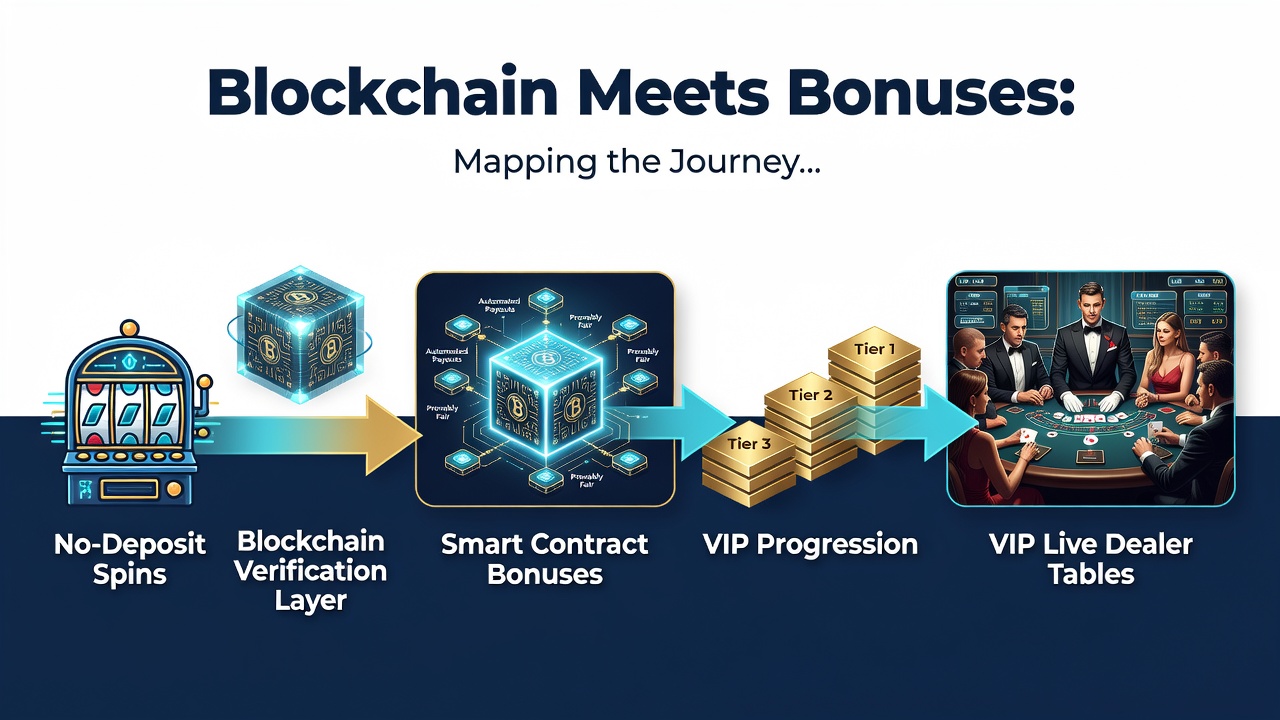
Blockchain technology has entered online gaming reward systems through verifiable transaction records that support no-deposit spins and progress toward exclusive live dealer environments. Operators now apply distributed ledgers to track player activity from initial free spins through accumulated loyalty points that unlock VIP access at live tables. Data from industry reports shows these systems reduce disputes over bonus eligibility while providing transparent audit trails for each reward stage.
Early Stages: No-Deposit Spins Powered by Crypto Ledgers
Players encounter no-deposit spins as entry points where blockchain wallets receive small cryptocurrency allocations that activate slot rounds without prior funding. These offers rely on smart contracts that automatically verify wallet addresses and release spins once network confirmations reach required thresholds. Research from the University of Nevada Gaming Innovation Lab indicates transaction times average under two minutes on major chains, allowing immediate play sessions across mobile platforms. Operators record each spin outcome on immutable blocks, which prevents retroactive alterations to win rates or bonus terms.
Many platforms extend these initial spins into layered campaigns where repeated play generates additional crypto credits stored in player-controlled wallets. Figures from the Canadian Gaming Association reveal that such programs increased active user sessions by measurable margins in regions with established crypto payment rails. The structure connects directly to later reward tiers because accumulated data on the ledger feeds into algorithms that determine VIP qualification thresholds.
Progression Pathways: From Free Spins to Tiered Rewards
Once players complete no-deposit cycles, systems migrate their activity history onto unified profiles that track wagering volume, session duration, and game variety. Smart contracts then calculate progression toward higher tiers without requiring manual reviews. Observers note that this automation shortens the time between initial spins and access to personalized offers. Australian regulatory filings from 2025 documented similar ledger-based tracking in licensed venues, showing reduced processing delays for reward upgrades.
Intermediate stages often include cashback credits or multiplier boosts delivered as tokenized assets that players can exchange or hold for future use. These assets carry unique identifiers on the blockchain, enabling cross-game compatibility when operators partner across networks. One documented case involved a platform that converted spin-derived tokens into entry credits for mid-level live dealer rooms, illustrating teh seamless handoff between automated bonuses and human-hosted tables.
VIP Live Dealer Tables: Exclusive Access Through Verified Blockchain History
High-tier players reach live dealer tables where blockchain records confirm their cumulative activity and grant entry to private rooms with elevated betting limits. Dealers operate under platforms that pull verified data from ledgers to display real-time qualification status, eliminating separate loyalty program checks. Reports compiled by the European Gaming and Betting Association highlight how these integrations support multi-jurisdictional compliance because each transaction carries timestamped proof of origin.
Live sessions at this level incorporate additional blockchain features such as provably fair shuffle algorithms that let participants inspect card distribution after each hand. June 2026 saw several major operators roll out enhanced ledger modules that link live table outcomes directly to player reward wallets, allowing instant conversion of winnings into spendable tokens. This development aligns with broader industry shifts toward verifiable fairness standards that appeal to audiences seeking transparency beyond traditional random number generators.
Technical Infrastructure Supporting the Full Journey
Backend systems combine public blockchains for player-facing transactions wth private permissioned chains that store sensitive account details. Hybrid models maintain speed for spin redemptions while preserving audit capabilities required by licensing authorities. Data indicates that average verification latency dropped further after major networks upgraded consensus mechanisms in early 2025, supporting higher volumes during peak hours.
Security protocols encrypt wallet keys at multiple layers, and multi-signature requirements protect larger VIP balances from unauthorized movement. Industry organizations report fewer incidents of bonus abuse when contracts enforce playthrough conditions automatically rather than through post-session audits. These measures scale across regions because the underlying ledger technology operates independently of local banking restrictions that sometimes limit conventional payment methods.
Conclusion
The pathway from no-deposit spins to VIP live dealer tables now operates through interconnected blockchain components that record every stage of player progression. Smart contracts handle initial distributions, tier calculations, and final access grants while maintaining immutable histories that support regulatory review. As operators continue integrating these tools, the structure offers consistent verification across bonus types and table environments without relying on centralized databases prone to single-point failures.