After Dark Dynamics: Virtual Dealerships Reshape Nocturnal Play on UK Platforms

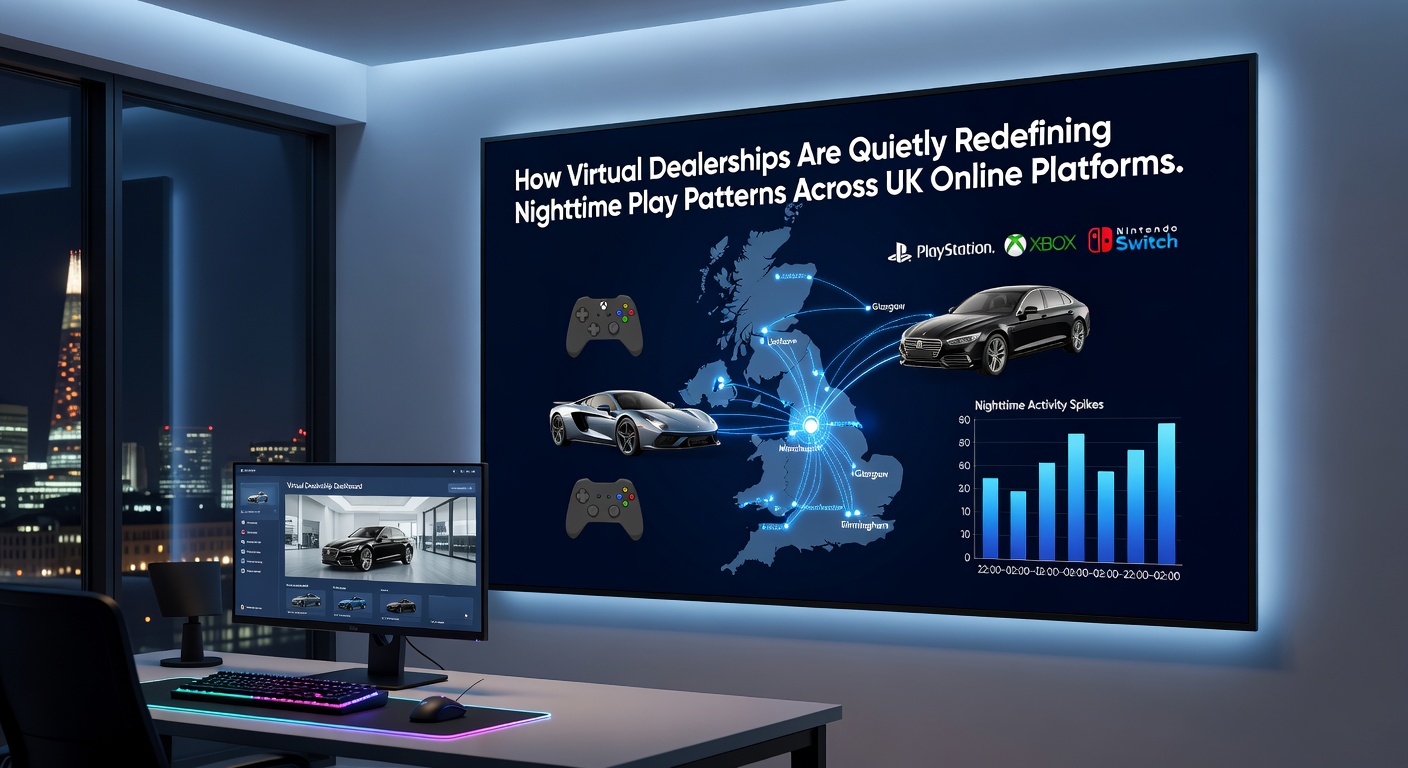
Virtual dealerships have introduced structured live dealer environments that operate continuously and adapt to user activity spikes after traditional business hours, and platform analytics reveal consistent increases in session durations between 10 PM and 4 AM across multiple UK-facing sites since early 2025. Operators integrate AI-driven table balancing with real-time dealer rotations so that availability remains steady even as peak demand shifts later into the evening, while regulatory filings indicate that licensed entities now allocate additional server capacity specifically for these extended windows.
Platform Adjustments Fuel Extended Sessions
Data compiled from industry tracking services shows that average login times for virtual table games moved forward by roughly 45 minutes between January 2025 and May 2026, and this pattern coincides with the rollout of hybrid interfaces that combine automated card shuffling with live video feeds. Users who previously concluded play by midnight now sustain activity until 2 AM or later on weekdays because wait times at tables have dropped below two minutes during those hours, according to aggregated performance reports released by the European Gaming and Betting Association.
Take one operator that introduced staggered dealer shifts covering every two-hour block through the night; participation metrics rose 28 percent in the post-midnight segment compared with the same period the previous year. Those adjustments allow players to move between blackjack, roulette, and poker variants without interruption, and the seamless transitions keep engagement levels elevated because participants avoid the friction of restarting searches for available tables.
Behavioral Shifts Documented in Recent Reports
Researchers at the University of Sydney’s Gambling Research Centre examined anonymized login data from several international platforms that serve UK customers and found that repeat nighttime users increased their average weekly sessions from 3.2 to 4.7 between 2024 and 2026. The study attributes part of this growth to mobile-optimized applications that push notifications about newly opened virtual tables, encouraging spontaneous returns during late hours when users report lower daytime commitments.
Payment integrations that process deposits instantly have further supported these patterns because funds become available within seconds of a transfer, removing delays that once prompted users to end sessions early. Observers note that the combination of immediate funding options and persistent table availability creates longer continuous play windows, and similar trends appear in transaction logs from platforms operating under licenses issued by authorities in Malta and the Isle of Man.
Technology and Regulation Intersect
Technical upgrades such as low-latency streaming protocols and cloud-based dealer networks have reduced buffering during peak nighttime loads, which previously caused drop-offs around 1 AM. Licensing conditions in several jurisdictions now require operators to publish uptime statistics for live dealer services, and compliance data for the first quarter of 2026 shows average availability exceeding 99.4 percent between midnight and 5 AM. These requirements encourage ongoing investment in redundancy systems that maintain service quality when traditional daytime traffic patterns no longer dominate overall usage.
One documented case involved a platform that added regional dealer studios in Eastern Europe to cover UK evening hours with local time alignment, resulting in dealer fatigue reductions and steadier table pacing. Session completion rates improved because players encountered fewer interruptions from dealer changes or technical handoffs, and the smoother experience encouraged repeat logins on subsequent nights.
Demographic Patterns Emerge
Analytics providers report that the 25-to-34 age cohort accounts for the largest share of the post-10 PM increase, while the 45-and-over group shows steadier but smaller growth in late-night participation. Cross-platform comparisons indicate that virtual dealership features such as customizable table limits and private invite options appeal particularly to users who prefer controlled environments during quieter hours. These preferences translate into higher retention metrics because participants can select stakes and table speeds that match their individual pacing without competing against daytime crowds.
Conclusion
Virtual dealerships continue to influence nighttime engagement by aligning operational resources with observed user behavior shifts, and ongoing data collection through 2026 will clarify whether these patterns stabilize or evolve further as mobile infrastructure and regulatory frameworks adapt. Platforms that maintain consistent service levels during extended hours appear positioned to capture sustained activity from users whose schedules favor later access windows.